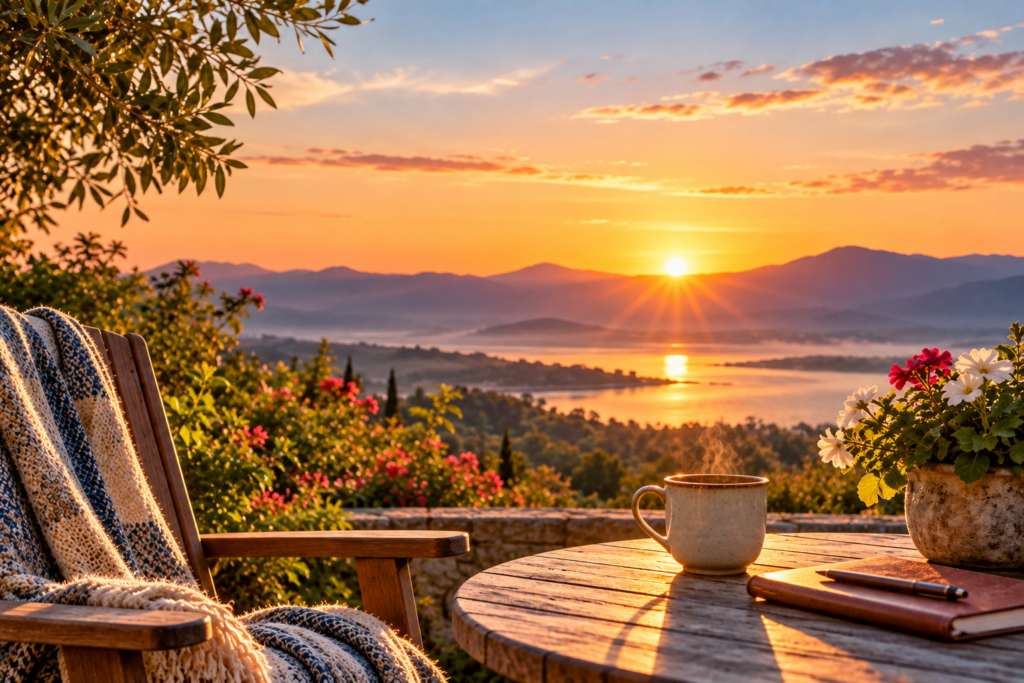
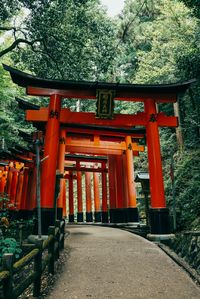
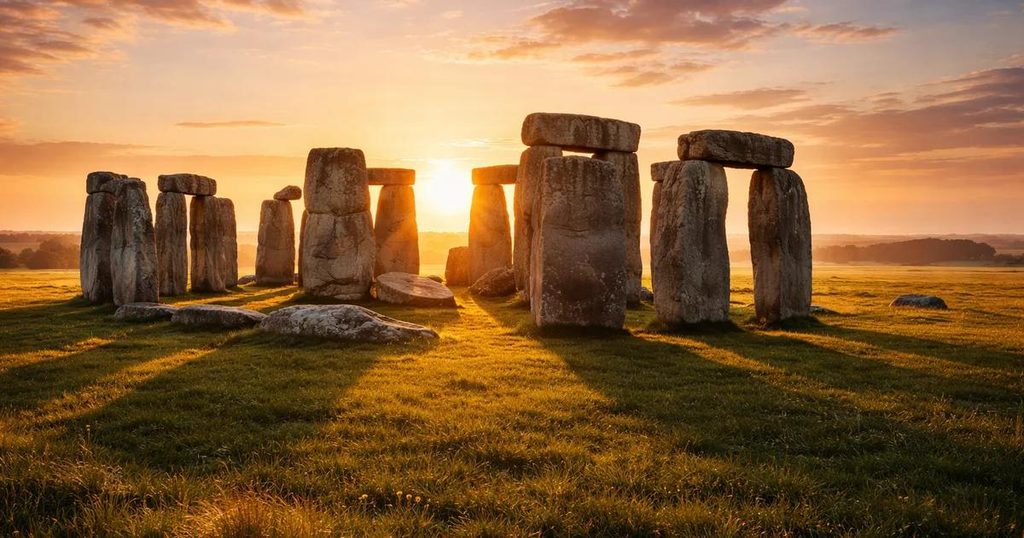
We spend so much of our lives searching for the sacred—in temples, monasteries, mountains, and distant places. We travel across oceans, walk ancient pilgrimage routes, enter cathedrals and shrines, and climb mountains hoping to encounter something larger than ourselves. And sometimes, we find it there.
But I’ve started to wonder: What if the sacred was never separate from us to begin with? What if it has always existed quietly beneath the surface of ordinary life, waiting for us to notice?
What If the Sacred Has Always Been Here?
Many ancient traditions understood this. They saw spirit as woven into everything. The earth was sacred. The body was sacred. Relationships were sacred. The seasons were sacred. Even the simplest acts of daily life carried meaning. The sacred was not confined to temples or reserved for priests, pilgrims, or holy days. It was present everywhere.
Perhaps we have simply forgotten how to see it.
 Finding the Sacred in Everyday Life
The sacred can be found in the way sunlight falls across a room, in the stillness between two people, in the breath we forget to notice, or in that unexpected moment when we suddenly realize we are completely present somewhere.
I have experienced profound moments in some of the world’s great sacred places. But I have also felt them sitting quietly on my back patio at sunrise, walking my dog, sharing a meal with a friend, or holding the hand of someone I love. The older I get, the more I realize that these experiences may not be as different as we imagine.
Sacred Sites Don’t Create Sacredness—They Reveal It
Sacred sites do not create sacredness. They reveal it. They awaken us to something that was already there: presence, awareness, connection, wonder.
Why Sacred Travel Changes the Way We See
Perhaps that is why certain journeys affect us so deeply. They remove us from our routines long enough for us to remember what we have forgotten. Away from appointments, emails, traffic, deadlines, and the thousand small distractions of daily life, we begin to notice again.
We remember that life itself is extraordinary. Every breath is a gift. Every relationship matters. The earth beneath our feet is worthy of reverence. Every ordinary moment carries the possibility of meaning.
The Sacred Was Never Separate
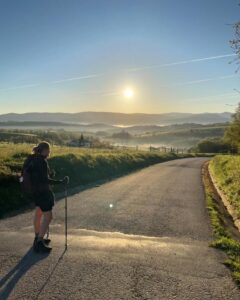
There is a beautiful irony in spending years traveling the world searching for something that has been quietly accompanying us all along. The sacred is not hidden or distant. It is not reserved for mountaintops, monasteries, temples, or holy shrines. It is woven into the fabric of everyday life.

Perhaps, then, the purpose of sacred travel is not simply to discover something new. Perhaps it is to remember something ancient—to remember that the sacred was never separate. It never left. It was always here, patiently waiting for us to notice.
And maybe that is the greatest gift a sacred journey can offer us: not a new destination, but a new way of seeing.
The Real Measure of a Sacred Journey
The real measure of a pilgrimage may not be what happens to us while we stand in the sacred place. It may be what happens when we come home. Do we notice the sunrise differently? Do we listen more closely? Do we linger a little longer over dinner? Do we recognize the extraordinary person sitting across from us? Do we inhabit our bodies, our homes, our relationships, and our lives with greater reverence?
The Entire World Is a Holy Place
A sacred journey changes the places we visit, but its deeper purpose is to change the life we return to. Because once we begin to recognize the sacred in ordinary moments, something remarkable happens.
We discover that the entire world is a holy place.
Are you wearing the colors that suit you best? Each of us has a power color based on the five elements and the day we were born. Sign up for my email list and provide me with the day, month, and year of your birth, and I will send you your birth element and power color!
Want more tips on creating a meaningful life? Subscribe to my podcast, Creating a Meaningful Life, and follow for more inspiration!
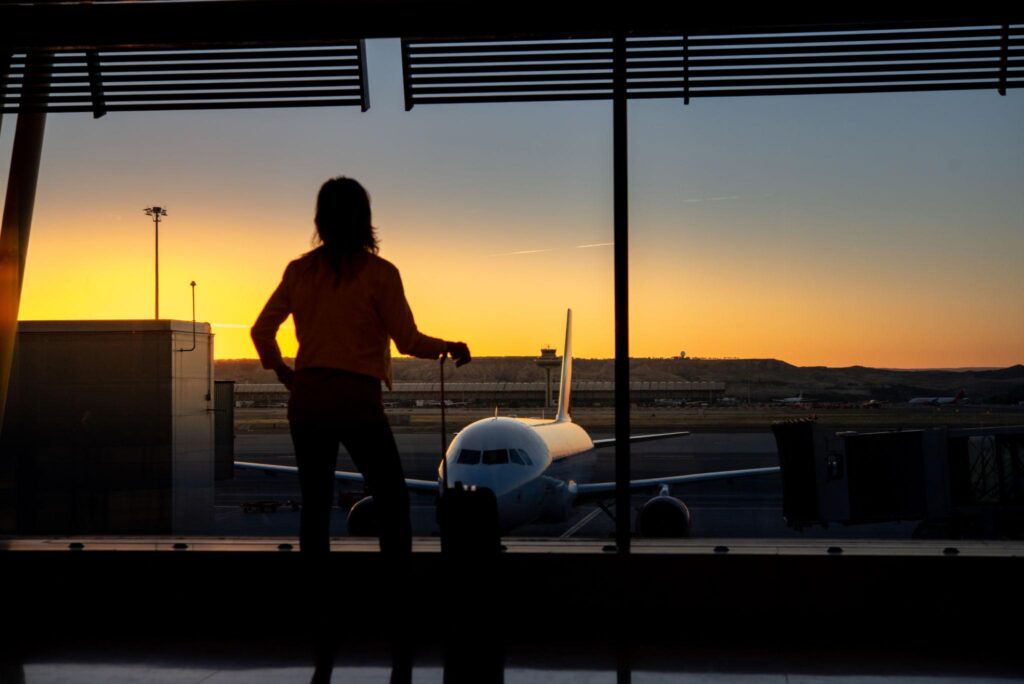
 The Airport as a Modern-Day Threshold
 The Sacredness of Waiting
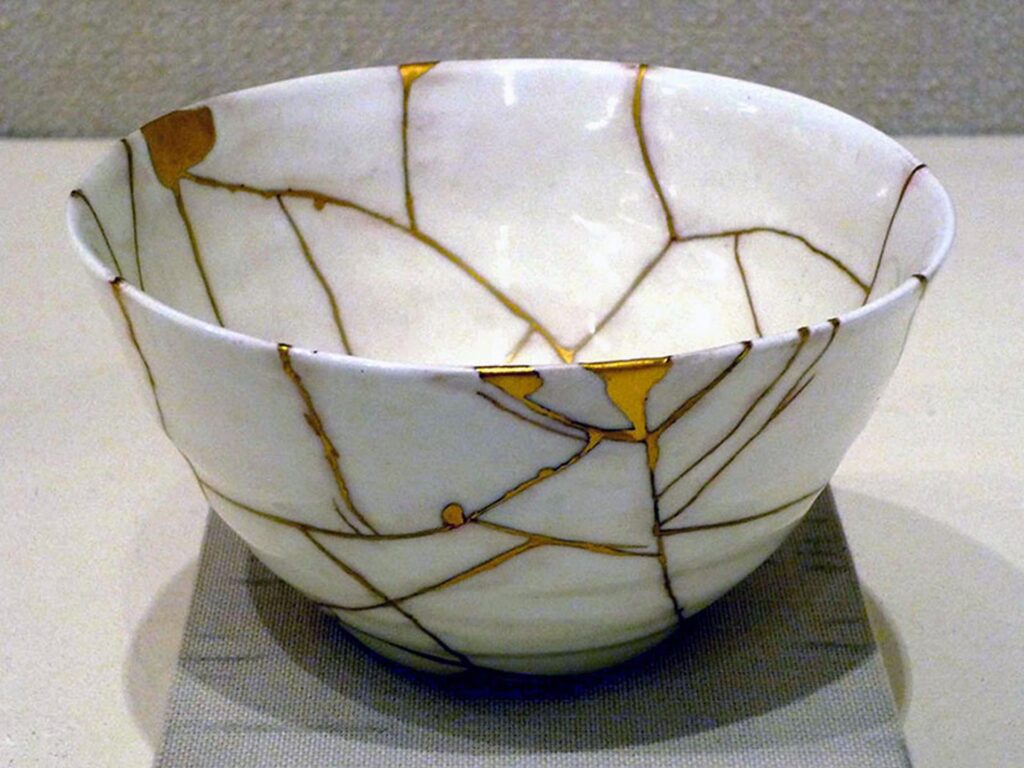
 The real question is, How can I become the person that place invited me to be?