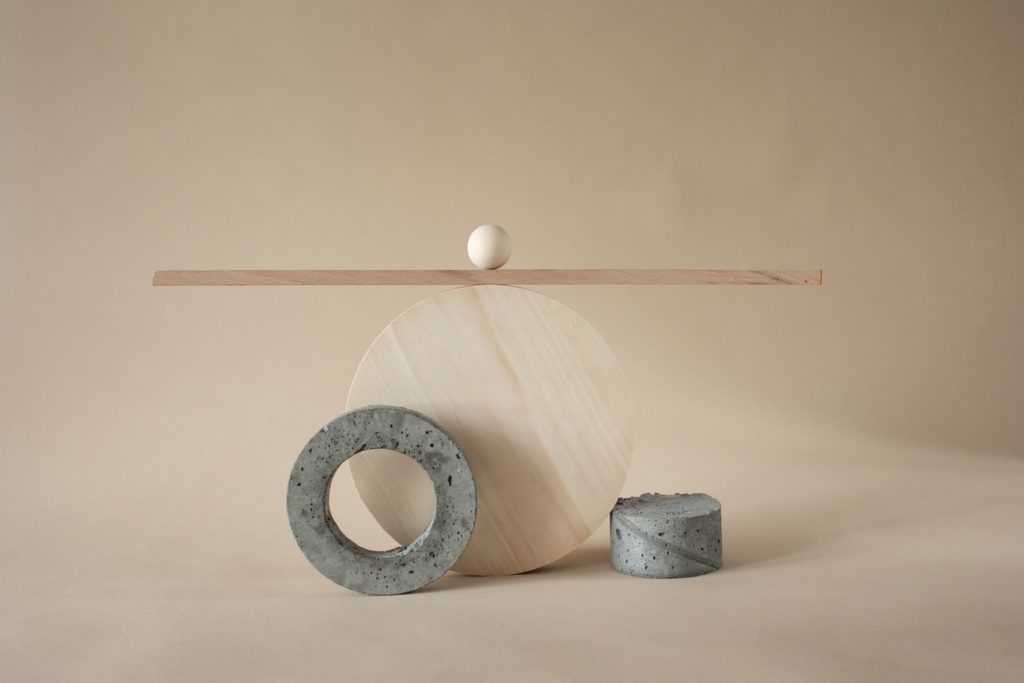
We’re all striving for more balance in our lives, as the alternative leads to stress, anxiety, and disease. An unbalanced life is an unhealthy life. Whether you’re a recent grad or a seasoned professional, maintaining equilibrium between your working life and personal time is critical to maintaining balance.
Unlike our grandparents, who sought a certain financial security above all else, the concept of work-life balance is the new mantra after the pandemic.
Everyone seems to be asking: How can I be happy in my career? How can I be sure that my relationship with my family is an enduring source of happiness? How can I live my life with integrity?
The conventional style of effort is masculine in nature and relies only on hard work and exertion to obtain a goal. This blood-sweat-and-tears approach dominated the old corporate American work paradigm and served the workforce well in the Industrial Age, but today’s high-tech, high-touch climate calls for a new plan.
In order to maximize the potential at work, we must approach our jobs with sharper and smarter mindsets. By eliciting intellect, wisdom, experience, and confidence we cut through old work habits and perform at the top of our games. We begin to recognize the value of the inspiration we receive that resides in the present moment. This path will cultivate our efficiency to live and work in balance.
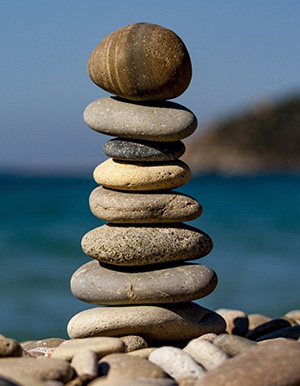
Feng Shui is all about balance and harmony and we achieve this balance by utilizing the five elements. Here are some suggestions to bring this balance into any space:
- Earth – Stones, and plants to enhance the grounding balance of the earth element. Colors representing earth include brown or yellow.
- Wood – Wooden planting boxes, or decorative wooden pieces such as a carving, bench, or bamboo pieces. The color representing wood is green.
- Metal – Wind chimes, planters, or copper decorative pieces. Colors representing metal are white, gold or silver.
- Water – Still or slow flowing water such as an indoor fountain, bird bath, pond, or pooled water from a stream. Colors representing water are black or blue.
- Fire – Candles, lanterns, fireplaces, or an outdoor fire pit. The color red represents fire.
Applying a few changes to your workspace, home, and overall lifestyle choices will naturally promote more work-life balance and uplift your energy and well-being.
Have any Feng Shui questions? Feel free to contact me at michelle@michellecromer.com and sign up for your Power Color or visit me on Facebook at Michelle Cromer Feng Shui.
 Bed Position: Try to position the bed so it sits solidly against the back wall and make sure it has a headboard. This will elicit and instill in the student with a strong sense of support.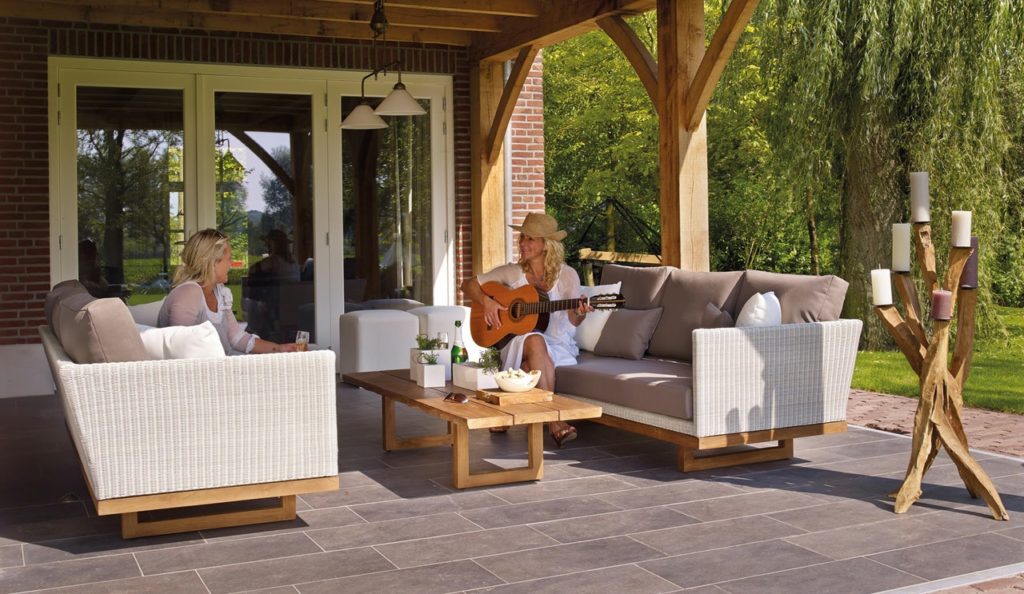
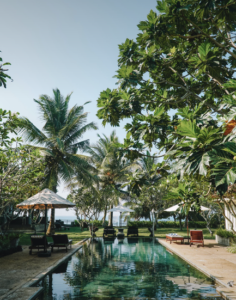 The patio, deck, rooftop, or backyard is where most of your time will be spent during the next couple of months, so you might as well make it a place of peaceful balance and harmony. Below are six tips for bringing some feng shui to your own personal great outdoors.
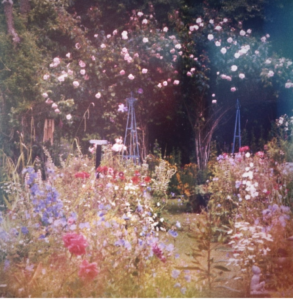 Wind chimes or flags increase the flow of chi creating balance in your yard and making it comfortable and a welcoming environment for your guests. They are believed to produce healing energy.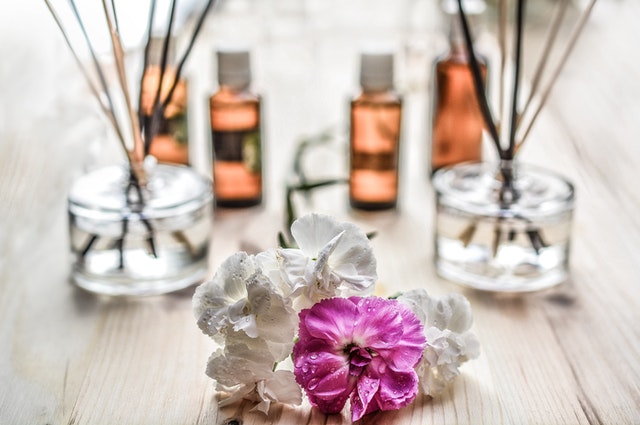
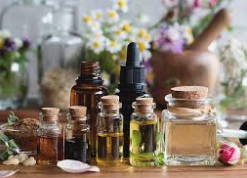 I have noticed as I age, western medicine doesn’t seem to be as effective. For whatever reason, after I hit 50 I began to get all of those dreaded side effects printed on the warning labels of all the medication I was taking. But after a severe allergic reaction during a trip to India, an Indian doctor treated me with aromatherapy. For over two hours he applied essential oils, which seemed at the time, completely far-fetched. The treatment was labor-intensive, appeared imprecise and low-tech. But the treatment worked. The doctor explained that essential oils are multi-dimensional, filled with homeostatic intelligence that works to restore the body to a state of healthy balance. When body conditions change, oils adapt, raising or lowering blood pressure as needed, stimulating or repressing enzyme activity as needed, energizing, or relaxing as needed. “Oils possess an intelligence that we can’t comprehend,” he said. “Nature, Mother Earth does not need to read a textbook.”
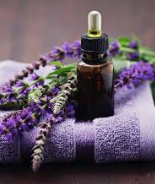 Rene Gatfosee, a French chemist, coined aromatherapy over a hundred years ago. He worked with volatile plant essential oils, developing fragrances for the perfume industry, until one day he had an explosion in his lab and was badly burned. He plunged his arm into the nearest vat of liquid, which happened to be lavender. To his amazement, the pain stopped immediately, and no blistering or scarring occurred. As a result, he changed his focus completely to the medicinal effects of these oils.
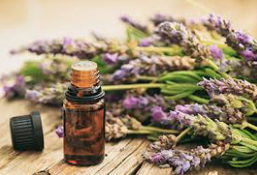 Utilizing the wisdom of plants and trees medicinally pre-dates written history. Early man, as a hunter-gatherer, must have sampled different plants to find out if they were edible and if so, what effects the plants had on the body. He would have learned quickly that some herbs bring on stupor, some enliven, others purge and of course, many nourish the body. A deep understanding and connection would have been formed between man and plant. As anyone who has lived close to the land soon learns, plants have a spirit of their own and can commune their intent if one is open enough to listen to their energetic frequency. In early times, man probably had a much keener awareness of his environment and worked more closely with the rhythms and vibrations of the earth. His sense of smell would be more honed, the odor entering the brain allowing him to intuit the efficacy of the plant by tuning into its vibration and sensing whether it would be a healthy fit for his body.
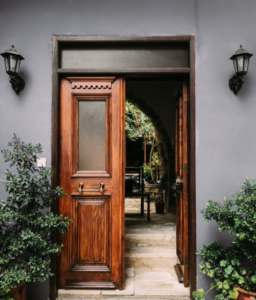 2. Use your front door. The front door is critical in feng shui because it is the main portal through which the energy enters your home. Make sure the area is free of clutter, well lit and most of all make sure you use it every day.
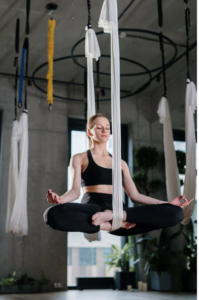 3. Balance the five elements. The five elements, earth, wood, fire, water, and metal can be present in your home either physically, symbolically in the shape, or the color. Look closely at the literal and symbolic ways the five elements show up in your home. An imbalance of the elements can mean an imbalance in your emotions. Strike a balance between all five in each room.
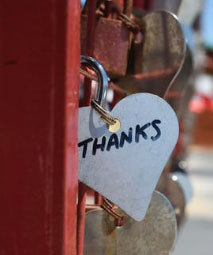 5. Surround yourself with gratitude. Count your blessings each day. Remembering the hard times you have survived will help you realize how far you have come. Establish a daily practice of reminding yourself of the gifts, grace, benefits, and good things you enjoy. Your environment influences your experience so make it a grateful one.